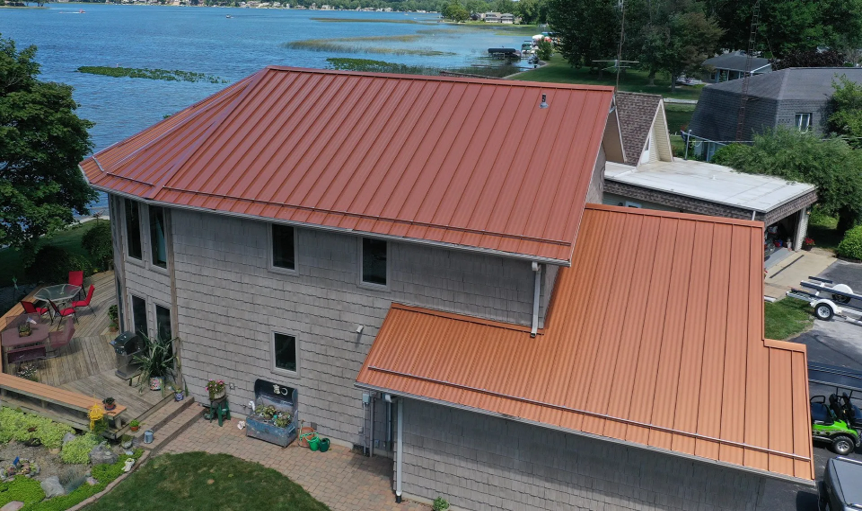
How Installation Handles Movement
Proper installation is what makes a metal roof accommodate thermal movement, and a Stonybrook homeowner benefits from understanding it. Here is how it is handled.
The Right System
Handling movement starts with the right system for the application, such as standing seam with its movement-accommodating clips, chosen to suit the roof. The right system is the foundation. It is designed for movement. It suits the application. It enables accommodation. It matters first.
Proper Fastening
Proper fastening accommodates movement, with the fastening method allowing the panels to expand and contract rather than rigidly constraining them. Correct fastening is essential. It allows for movement. It avoids rigid constraint. It suits the metal's behavior. It is part of doing it right.
Correct Detailing
Correct detailing at seams, edges, and penetrations accounts for movement, so these points accommodate the metal's expansion and contraction while staying sealed. Proper detailing handles movement at the details. It accommodates the metal. It keeps the points sealed. It is careful work. It matters to performance.
Following the System's Design
Proper installation follows the metal system's design for accommodating movement, installing the clips, fasteners, and details as intended so the movement accommodation works. Following the design is essential. It ensures the system performs. It installs the parts correctly. It realizes the design. It requires care.
An Experienced Contractor
Handling thermal movement correctly depends on an experienced contractor who understands it and installs the roof to accommodate it. Their expertise ensures the movement is handled. Experience is key. It ensures correct installation. The contractor must understand movement. It is worth their expertise. They make the difference.
How Installation Handles It, in Short
Proper installation handles thermal movement through the right system, proper fastening that allows the panels to move, correct detailing at seams and penetrations, and following the system's design, all done by an experienced contractor who understands the metal's expansion and contraction.
It also helps Stonybrook homeowners to understand how quality metal roof systems actually accommodate thermal movement, because it illustrates the engineering that goes into a good roof and why standing seam in particular is so well regarded. The standout example is the clip system used in many standing seam roofs. Rather than fastening the panels down rigidly, standing seam often attaches the panels to the roof deck using clips that hold the panels securely while still allowing them to expand and contract, so the metal is free to move with temperature without being pinned in place. This works together with standing seam's concealed fasteners, which are hidden in the raised seams rather than penetrating the face of the panels, so they too avoid rigidly constraining the metal. The result is a system in which the panels can move as the temperature changes, the thermal movement is accommodated, and no harmful stress builds up, which is one of the design strengths that contributes to standing seam's performance and longevity as a premium system. Other metal systems handle movement in their own ways, through appropriate fastening methods and detailing, but the common principle is that the installation must allow the metal to move. This is also why proper installation by an experienced contractor matters so much, because even a well-designed system has to be installed correctly, the clips, fasteners, seams, and details all put in as the system intends, for the movement accommodation to actually work. For a homeowner, the takeaway is that choosing a quality system designed for movement and a contractor who understands how to install it correctly ensures that thermal movement is handled properly and the roof performs as it should for the long term.
It also helps Stonybrook homeowners to understand how quality metal roof systems actually accommodate thermal movement, because it illustrates the engineering that goes into a good roof and why standing seam in particular is so well regarded. The standout example is the clip system used in many standing seam roofs. Rather than fastening the panels down rigidly, standing seam often attaches the panels to the roof deck using clips that hold the panels securely while still allowing them to expand and contract, so the metal is free to move with temperature without being pinned in place. This works together with standing seam's concealed fasteners, which are hidden in the raised seams rather than penetrating the face of the panels, so they too avoid rigidly constraining the metal. The result is a system in which the panels can move as the temperature changes, the thermal movement is accommodated, and no harmful stress builds up, which is one of the design strengths that contributes to standing seam's performance and longevity as a premium system. Other metal systems handle movement in their own ways, through appropriate fastening methods and detailing, but the common principle is that the installation must allow the metal to move. This is also why proper installation by an experienced contractor matters so much, because even a well-designed system has to be installed correctly, the clips, fasteners, seams, and details all put in as the system intends, for the movement accommodation to actually work. For a homeowner, the takeaway is that choosing a quality system designed for movement and a contractor who understands how to install it correctly ensures that thermal movement is handled properly and the roof performs as it should for the long term.
One point worth making clear for Stonybrook homeowners is that metal roofs expand and contract slightly with changes in temperature, a property known as thermal movement, and that this is a completely normal characteristic of metal rather than a defect or a problem, provided the roof is properly designed and installed to accommodate it. The physics is simple, metal expands a little when it heats up and contracts a little when it cools down, so as a roof heats in the sun during the day and cools at night, and as temperatures change across the seasons, the metal panels change size very slightly. While the movement of any single point is small, over the expanse of a whole roof it adds up to a real amount that has to have somewhere to go, which is why a quality metal roof is specifically designed with this movement in mind. If the metal were rigidly constrained, unable to move as it expands and contracts, the constraint would create stress in the roof system that over time could affect fasteners, seams, or the panels themselves, and it could contribute to visible effects like oil canning, the slight waviness that can sometimes appear in metal panels. A well-designed and well-installed metal roof avoids all of this by allowing the metal to move freely. This is one of the reasons that the choice of system and the quality of installation matter so much with metal roofing, and it is a good example of why a metal roof is not simply a matter of fastening panels down, but rather of installing a system that works with the metal's natural behavior. The practical reassurance for a homeowner is that with a quality roof, properly installed, thermal movement is fully accounted for and is nothing to worry about.
Get Movement Handled Right
Stonybrook Metal Roofing installs metal roofing that properly handles thermal movement across Stonybrook and Marion. Call (765) 676-3491 for a free consultation on a metal roof installed correctly to accommodate the metal's expansion and contraction.